
The Art of Modern Ceremonies: Transforming Tradition into Memorable Experiences
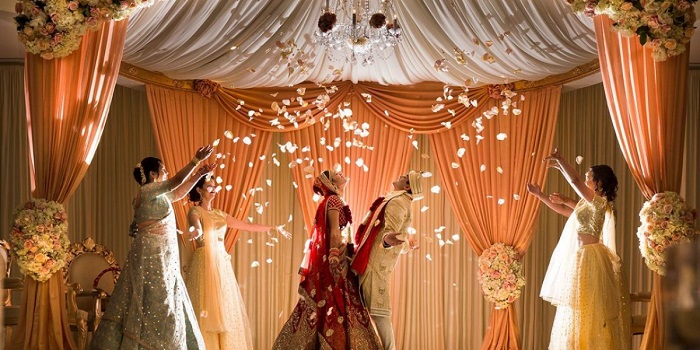
Ceremonies have always held a unique place in human culture, serving as milestones that mark significant life events, cultural traditions, or professional achievements. In modern times, ceremonies have evolved far beyond simple rituals. Today, they combine aesthetic design, experiential engagement, and meticulous planning to create unforgettable moments. From weddings and anniversaries to corporate awards and cultural festivities, the modern ceremony is a synthesis of tradition, innovation, and personalization. This article explores advanced approaches, trends, and strategies for crafting meaningful ceremonies that leave a lasting impact.
Understanding the Significance of Ceremonies
Cultural and Emotional Importance
Ceremonies are not merely events—they are deeply symbolic expressions of identity, values, and relationships:
-
Marking Milestones: Whether personal, professional, or cultural, ceremonies acknowledge achievements and transitions.
-
Strengthening Bonds: Shared experiences during ceremonies foster connections among participants and attendees.
-
Preserving Heritage: Cultural and religious ceremonies maintain traditions while adapting to contemporary contexts.
Evolution in Modern Times
-
Personalization: Contemporary ceremonies focus on reflecting the personalities of hosts or participants rather than adhering strictly to conventional formats.
-
Experience-Oriented: Beyond formal proceedings, modern ceremonies emphasize immersive experiences, guest engagement, and aesthetic appeal.
-
Integration of Technology: From live streaming to virtual invitations, technology enhances accessibility and broadens participation.
Types of Ceremonies and Their Unique Requirements
Life Milestone Ceremonies
-
Weddings and Engagements: Personalized themes, bespoke décor, and curated culinary experiences define modern nuptials.
-
Anniversaries and Birthdays: Celebrations often combine intimate gatherings with experiential elements like interactive entertainment or storytelling.
-
Graduations and Achievements: Academic or professional ceremonies celebrate accomplishments while creating memorable experiences for attendees.
Corporate and Professional Ceremonies
-
Awards and Recognition Events: Emphasis on branding, professional presentation, and engagement strategies to highlight achievements.
-
Product Launches and Corporate Milestones: Combining formal speeches with creative entertainment, catering, and interactive experiences ensures a lasting impression.
-
Conferences and Summits: Opening or closing ceremonies establish tone, promote networking, and enhance attendee experience.
Cultural and Community Ceremonies
-
Religious Observances: Adaptation of traditional rituals to contemporary settings while preserving spiritual significance.
-
Festivals and Cultural Gatherings: Ceremonies may involve performances, exhibitions, and participatory experiences to engage diverse audiences.
-
Memorials and Tributes: Thoughtful planning and symbolic elements provide a meaningful framework for collective reflection and remembrance.
Designing a Memorable Ceremony
Personalization and Customization
-
Guest-Centric Approach: Understanding audience demographics, preferences, and expectations ensures a tailored experience.
-
Storytelling Through Ceremony Elements: Music, décor, speeches, and performances can narrate a cohesive story reflecting values and memories.
-
Interactive Features: Incorporating guest participation through activities, photo booths, or live performances increases engagement and creates memorable interactions.
Aesthetic and Atmosphere
-
Venue Selection: The location sets the tone and influences the overall experience. Options range from traditional halls to outdoor landscapes or unconventional spaces.
-
Decor and Ambience: Thoughtfully curated color schemes, lighting, floral arrangements, and stage design enhance emotional impact.
-
Sound and Visuals: High-quality audiovisual elements, background music, and thematic projections contribute to a polished and immersive experience.
Food and Catering Integration
-
Culinary Storytelling: Menus reflecting cultural heritage, seasonal ingredients, or personalized themes add a sensory dimension.
-
Dietary Inclusivity: Catering must accommodate dietary restrictions, including vegan, gluten-free, and allergen-friendly options.
-
Presentation Matters: The visual arrangement of food, interactive stations, and thematic desserts reinforce the ceremony’s identity.
Technology’s Role in Modern Ceremonies
Planning and Coordination
-
Event Management Software: Facilitates guest lists, seating arrangements, timeline coordination, and real-time communication among vendors.
-
Virtual Planning Tools: Allows hosts to preview décor, menu layouts, and stage designs before execution.
Enhancing Accessibility
-
Live Streaming and Hybrid Participation: Enables remote attendees to engage with the ceremony, expanding reach and inclusivity.
-
Interactive Digital Elements: QR codes for digital programs, polls, or feedback forms provide real-time engagement and enhance guest experience.
Documentation and Sharing
-
Professional Photography and Videography: Captures key moments, providing lasting memories.
-
Social Media Integration: Sharing live updates, highlights, and behind-the-scenes content boosts engagement and creates anticipation for future ceremonies.
Trends Shaping Contemporary Ceremonies
-
Micro-Ceremonies: Intimate gatherings focusing on meaningful experiences rather than large-scale events.
-
Eco-Friendly Ceremonies: Sustainable décor, minimal waste, locally sourced food, and reusable materials reflect environmental responsibility.
-
Experiential Entertainment: Incorporating performances, interactive workshops, or thematic storytelling enhances guest immersion.
-
Hybrid and Digital Experiences: Virtual participation and augmented reality elements allow for innovative, inclusive ceremonies.
-
Cultural Fusion: Blending traditional rituals with contemporary design, music, and cuisine creates a unique and memorable experience.
Practical Strategies for Planning an Impactful Ceremony
-
Early Planning and Coordination: Advanced timelines ensure seamless execution, from vendor selection to rehearsal schedules.
-
Budget Allocation with Prioritization: Investing in elements that enhance guest experience, such as décor, catering, and entertainment, ensures maximum impact.
-
Vendor Selection and Collaboration: Experienced planners, caterers, and performers are crucial for smooth operations and high-quality delivery.
-
Guest Experience Focus: Attention to comfort, engagement, and interactive opportunities ensures that attendees feel valued and involved.
-
Continuous Innovation: Incorporating new technologies, trending experiences, and creative design elements keeps ceremonies fresh and memorable.
Challenges and Solutions in Modern Ceremonies
-
Managing Diverse Expectations: Surveys, guest interviews, or pre-event interactions help align planning with audience preferences.
-
Logistical Complexity: Professional coordination, clear timelines, and contingency plans minimize disruptions.
-
Balancing Tradition and Innovation: Respecting cultural or religious protocols while introducing creative elements ensures authenticity and novelty.
-
Sustainability Considerations: Eco-friendly practices, such as zero-waste policies and sustainable décor, address environmental concerns.
FAQ Section
1. How can modern ceremonies balance tradition and innovation?
By respecting core rituals and cultural elements while introducing interactive features, modern design, and personalized experiences.
2. What are effective ways to engage guests during a ceremony?
Interactive activities, live performances, storytelling, photo opportunities, and themed participatory elements enhance engagement.
3. How can technology enhance ceremony experiences?
Through live streaming, hybrid participation, virtual planning tools, QR-based programs, and real-time feedback mechanisms.
4. What strategies ensure dietary inclusivity at ceremonies?
Offering diverse menu options, clearly labeling ingredients, and accommodating vegan, gluten-free, and allergen-friendly requirements ensures inclusivity.
5. How can ceremonies incorporate sustainability?
Eco-friendly décor, locally sourced food, minimal waste practices, and reusable or biodegradable materials contribute to sustainable planning.
6. What trends are shaping intimate or small-scale ceremonies?
Micro-ceremonies, experiential entertainment, hybrid participation, and highly personalized storytelling are key trends for smaller gatherings.
7. How can organizers make ceremonies memorable beyond aesthetics?
By focusing on sensory experiences, interactive engagement, personalized elements, and seamless integration of technology, organizers can create lasting impressions.
In conclusion, modern ceremonies are sophisticated experiences that blend tradition, innovation, personalization, and technology. From intimate private milestones to grand corporate celebrations, the most impactful ceremonies focus on engagement, storytelling, and sensory richness. By carefully planning décor, catering, entertainment, and digital integration, organizers can create meaningful, memorable events that resonate with attendees long after the occasion has ended.


