The Evolution of Modern Decorations: Transforming Spaces Through Art, Design, and Emotion
Decorations have moved far beyond simple aesthetic enhancement. In modern interior and event design, decoration serves as a powerful medium of expression—shaping atmosphere, invoking emotions, and reflecting identity. Whether in homes, workplaces, or event venues, the art of decoration has evolved into a multidisciplinary approach that integrates psychology, sustainability, technology, and cultural storytelling. This article explores advanced concepts, trends, and strategies in decoration that redefine how we design and experience spaces.
The Psychology of Modern Decorations
Understanding Emotional Design
Decorations are not just about visual appeal—they deeply influence mood, perception, and productivity. Psychological studies suggest that color, texture, and spatial organization affect human emotions and behavior.
-
Color Theory in Design: Warm tones like amber and terracotta evoke comfort, while cool hues such as teal and sage create calmness. Bold contrasts can energize a space, while monochromatic schemes provide minimalistic elegance.
-
Texture and Material Influence: Combining materials such as velvet, glass, metal, and natural wood enhances tactile experience and emotional warmth.
-
Spatial Harmony: A balanced distribution of furniture, art, and lighting creates a sense of order and comfort, reducing cognitive stress.
The Symbolism of Decorative Elements
-
Art as Identity: Artwork reflects personality and philosophy—abstract pieces signify creativity, while landscapes express serenity and nostalgia.
-
Plants and Nature: Biophilic design, which incorporates greenery, connects occupants with nature and improves mental well-being.
-
Lighting as Emotion: Layered lighting using ambient, accent, and task lights defines depth, focus, and mood transitions throughout the day.
The Rise of Sustainable and Ethical Decoration
Eco-Conscious Materials
The modern decorative industry is shifting towards sustainability. Designers and consumers alike prioritize eco-friendly materials that minimize environmental impact.
-
Reclaimed Wood and Metal: Using salvaged materials adds character and reduces deforestation and industrial waste.
-
Organic Fabrics: Textiles like bamboo silk, hemp, and organic cotton combine luxury with environmental responsibility.
-
Low-VOC Paints and Finishes: These improve indoor air quality and reduce chemical emissions.
Circular Design Practices
-
Repurposing and Upcycling: Old furniture, ceramics, or fabrics can be transformed into unique décor pieces through creative craftsmanship.
-
Minimal Waste Installations: Event decorators increasingly adopt modular designs that can be reused or repurposed for future occasions.
-
Local Artisanship: Supporting local craftsmen not only boosts regional economies but also promotes cultural authenticity and sustainable production.
The Integration of Technology in Decorations
Smart Decor and Automation
Modern decoration has embraced digital innovation, merging aesthetic beauty with functional intelligence.
-
Smart Lighting Systems: Voice-controlled and sensor-based lighting allow dynamic changes in ambiance based on mood or activity.
-
Digital Art Frames: High-definition displays can exhibit a rotating gallery of artworks, allowing flexibility without physical replacements.
-
Interactive Surfaces: Smart mirrors, touch-sensitive walls, and projection mapping redefine how users engage with decorated spaces.
Augmented and Virtual Reality in Design
-
Pre-Visualization: AR and VR tools enable decorators and clients to virtually explore spaces before finalizing physical designs.
-
Immersive Installations: Projection art and holographic displays bring futuristic visual experiences to both interior and event spaces.
Cultural Narratives in Decoration
Blending Global and Local Influences
Modern décor often merges traditional craftsmanship with contemporary sensibilities.
-
Fusion of Styles: Scandinavian minimalism combined with Asian Zen principles creates balanced, serene interiors.
-
Cultural Textiles and Motifs: African mud cloth, Indian block prints, or Moroccan tiles introduce global heritage into modern homes.
-
Storytelling Through Artifacts: Decorative elements that narrate personal or cultural stories give authenticity and emotional depth to design.
Symbolic and Ritualistic Elements
-
Spiritual Decor: Crystals, incense burners, and mandalas serve both aesthetic and meditative functions.
-
Festive and Ceremonial Decorations: Cultural festivals inspire color palettes, textures, and arrangements that transform spaces seasonally.
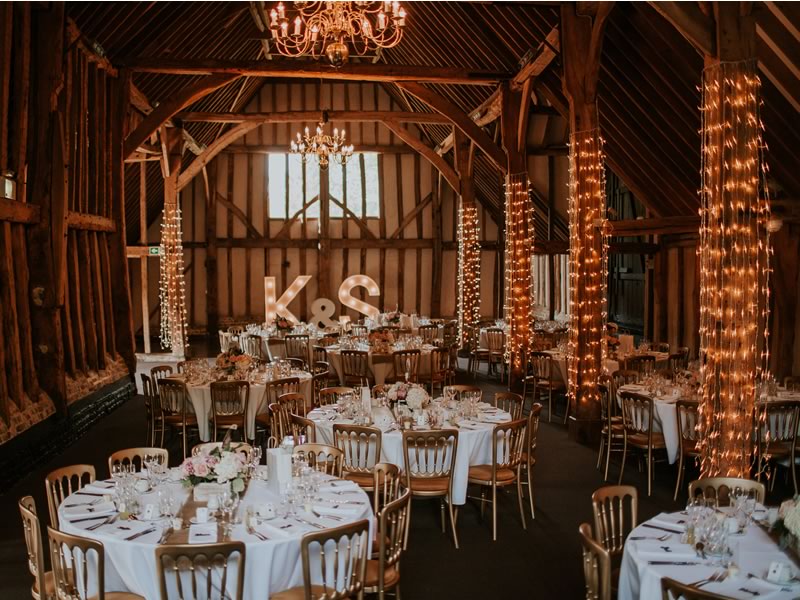
Event Decoration: Crafting Experiential Environments
Thematic Storytelling in Events
Event decorations have evolved into immersive storytelling experiences.
-
Conceptual Design: Each element—from lighting to florals—aligns with a central narrative or brand identity.
-
Sensory Stimulation: Coordinating visuals, music, scent, and texture creates emotional resonance with guests.
-
Personalized Elements: Customized signage, décor pieces, or installations reflect the host’s personality or purpose of the event.
Balancing Functionality and Beauty
-
Spatial Flow: Strategic placement of décor ensures guest comfort and efficient movement within the venue.
-
Lighting and Acoustics: Proper illumination enhances aesthetics while maintaining functional visibility and mood alignment.
-
Sustainable Event Design: Using reusable props, natural flowers, and biodegradable décor reduces waste without compromising elegance.
Home Decoration: Beyond Aesthetics
Designing for Well-Being
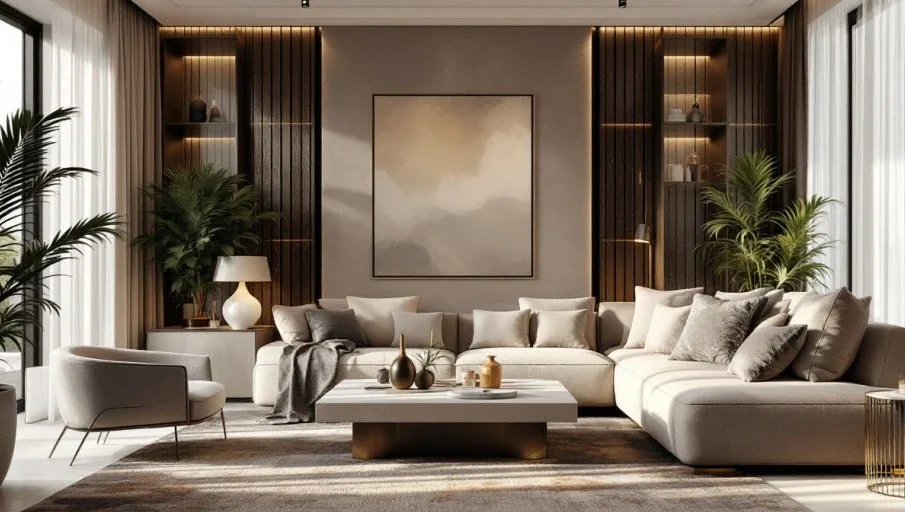
Home décor now prioritizes well-being, focusing on health, harmony, and mindfulness.
-
Biophilic Interiors: Integrating natural light, indoor gardens, and organic materials fosters calmness and rejuvenation.
-
Minimalist Aesthetic: Decluttering and simplicity encourage mental clarity and focus.
-
Multifunctional Spaces: Flexible furniture and décor support hybrid lifestyles, merging work, leisure, and family time seamlessly.
The Power of Personal Expression
-
Gallery Walls: Combining family photos, art, and artifacts narrates personal stories.
-
Accent Statements: A single bold element, such as a mural or sculptural light, can define an entire room’s personality.
-
Custom Creations: Bespoke furniture, artisan ceramics, or handmade textiles elevate uniqueness and character.
Commercial Decoration: Branding Through Design
Creating Visual Identity
For businesses, decoration is a branding tool that communicates values and differentiates them from competitors.
-
Corporate Aesthetics: Sleek modern designs reflect innovation, while rustic or vintage elements convey authenticity.
-
Retail Spaces: Color psychology and strategic lighting enhance product visibility and influence purchasing behavior.
-
Hospitality Environments: Restaurants and hotels utilize décor to craft immersive brand experiences that attract and retain clientele.
Integrating Technology and Experience
-
Interactive Displays: Digital walls and projections engage customers and create shareable moments for social media visibility.
-
Immersive Installations: Pop-up experiences and thematic décor generate emotional connections and lasting impressions.
Future Trends in Decoration
-
Sustainable Luxury: Combining eco-consciousness with high-end craftsmanship for guilt-free opulence.
-
Neo-Traditionalism: Reviving classical design motifs with modern interpretations.
-
Tech-Infused Spaces: AR walls, smart art, and mood-responsive lighting systems.
-
Personalized Environments: AI-driven décor recommendations based on user preferences and emotional states.
-
Sensory Design: Multi-sensory experiences incorporating scent, sound, and texture for holistic engagement.
FAQ Section
1. How is technology transforming modern decoration practices?
Technology enables smart lighting, virtual design previews, and interactive installations that blend aesthetics with functionality.
2. What makes sustainable decoration more appealing today?
Eco-friendly materials, ethical sourcing, and minimal waste align with growing consumer awareness about environmental responsibility.
3. How do decorations influence human emotions?
Colors, textures, and spatial arrangements directly affect mood, comfort, and creativity by triggering psychological responses.
4. What role does cultural fusion play in modern décor?
It allows designers to blend heritage craftsmanship with global influences, resulting in unique and meaningful spaces.
5. How can events utilize decorations for storytelling?
Through cohesive themes, immersive lighting, and customized décor elements, events can narrate stories that captivate audiences.
6. What are the most impactful trends in commercial decoration?
Interactive installations, biophilic designs, and branded aesthetics that merge sustainability with experiential marketing dominate today’s trends.
7. How can homeowners personalize décor without overwhelming their space?
By using statement pieces, curated color palettes, and balanced proportions, individuals can express identity while maintaining harmony.
In conclusion, decoration is no longer confined to beautification—it is a creative language that communicates emotion, identity, and innovation. The most impactful designs today combine sustainability, technology, and cultural storytelling to create spaces that not only look beautiful but also feel meaningful. Whether in homes, businesses, or grand events, thoughtful decoration transforms ordinary environments into extraordinary experiences.