The Art and Strategy of Modern Invitations: Designing Experiences That Speak Before the Event
In the contemporary world of events and celebrations, invitations have evolved from mere informational cards to artistic, strategic communication tools. Whether for weddings, corporate galas, luxury brand launches, or private soirées, the invitation sets the first impression—it defines expectations, communicates tone, and builds anticipation. With digital technology, personalization, and sustainability influencing design trends, modern invitations now blend art, psychology, and innovation to create meaningful guest experiences.
The Psychology Behind Invitations
The Power of First Impressions
An invitation is more than a piece of paper or an email—it’s an emotional handshake. The design, color palette, and typography immediately convey the essence of the event.
-
Emotional Connection: Elegant fonts and soft tones suggest sophistication, while bold hues and dynamic graphics signal excitement and creativity.
-
Brand and Personality Reflection: For corporate events, an invitation mirrors brand values. For personal occasions, it represents the host’s identity and the event’s emotional essence.
-
Expectation Building: Guests subconsciously assess the event’s quality, formality, and ambiance based on the invitation’s presentation.
The Role of Color and Typography
Colors evoke emotions, and typography shapes tone. For example:
-
Gold and Black: Convey luxury, authority, and exclusivity—ideal for black-tie events or luxury brand launches.
-
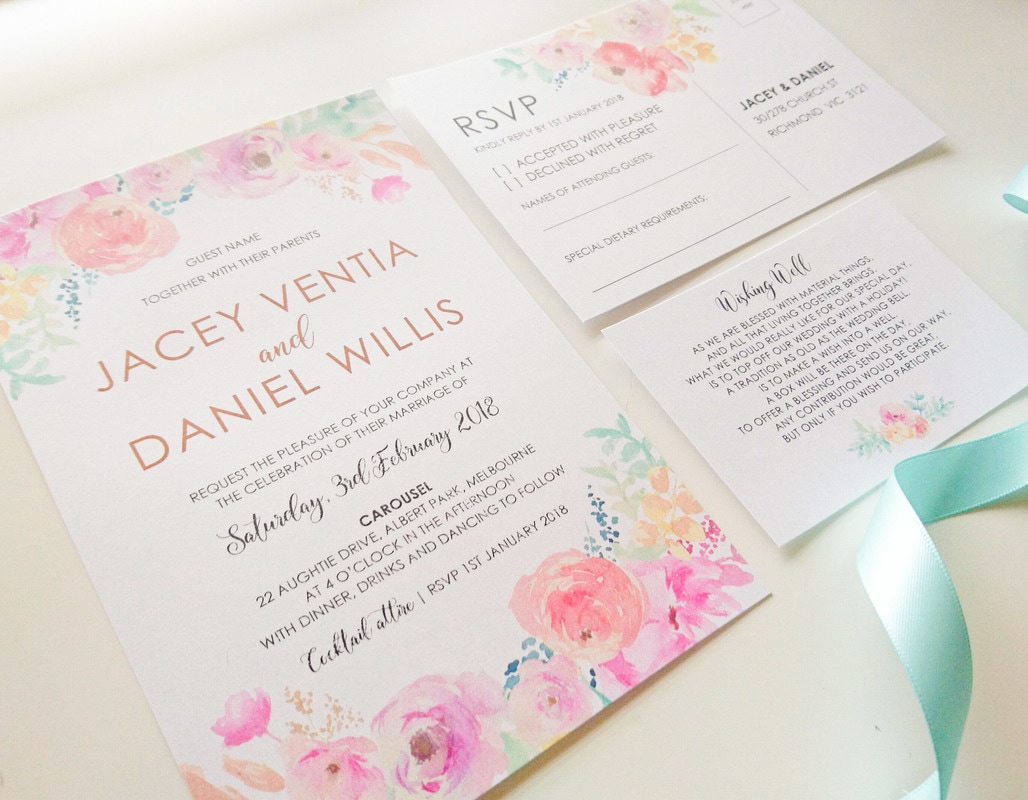
Pastel Shades: Represent intimacy and softness, suitable for weddings or baby showers.
-
Minimalist Fonts: Suggest modernity and sophistication, while calligraphy adds romantic or traditional charm.
The Evolution of Invitations in the Digital Age
The Shift to Digital Invitations
As environmental consciousness grows, digital invitations have become mainstream. Yet, their effectiveness lies not just in convenience but in creativity and interactivity.
-
Multimedia Integration: Videos, animations, and background music can bring a digital invitation to life.
-
Interactive Elements: RSVP buttons, location maps, and countdown timers engage recipients directly.
-
Cost and Time Efficiency: Digital invites eliminate printing and postage costs while ensuring instant delivery and tracking.
Balancing Tradition and Technology
For many events, especially weddings or cultural ceremonies, tradition remains essential. Hybrid approaches—where physical and digital elements coexist—allow hosts to maintain authenticity while embracing modernity.
-
QR Codes on Physical Cards: Linking to digital galleries, event details, or playlists creates a bridge between tactile and technological experiences.
-
Augmented Reality (AR) Invitations: Scanning a printed invite could reveal a 3D animation or personalized video message, making each invitation unique and memorable.
Design Innovation in Modern Invitations
Sustainable Materials and Eco-Friendly Design
As sustainability becomes a central value, event hosts and designers are turning toward eco-conscious alternatives.
-
Recycled and Seed Paper: Guests can plant the invitation afterward, giving it a second life.
-
Natural Inks and Biodegradable Materials: Reduce waste and align with eco-friendly event themes.
-
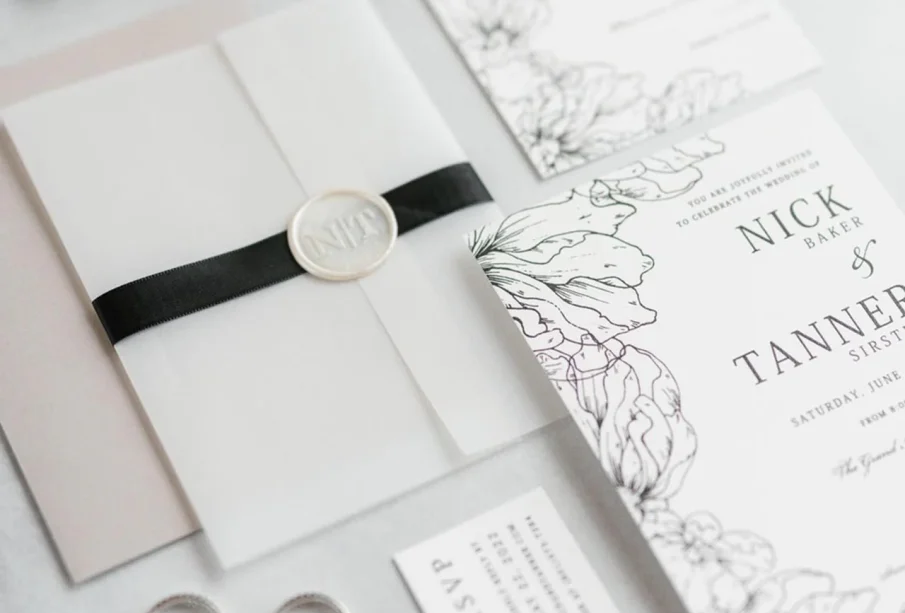
Minimalist Packaging: Avoiding plastic or excessive wrapping reduces environmental impact while maintaining elegance.
Artistic and Experiential Invitations
Modern invitations are now immersive experiences—designed to delight the senses and tell stories.
-
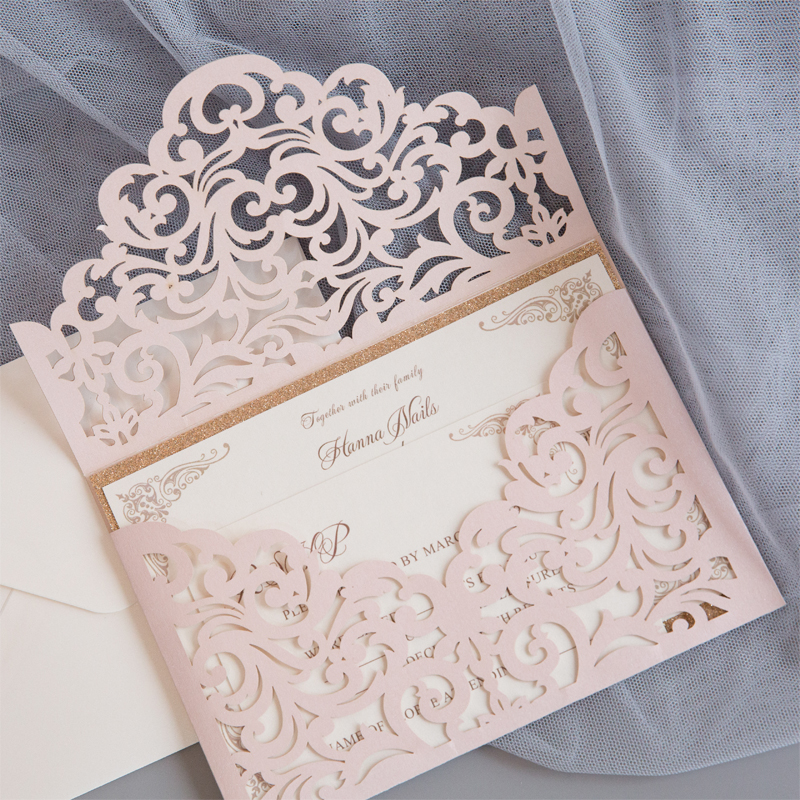
Textural Innovation: Embossing, letterpress, or laser-cut designs add tactile depth and visual intrigue.
-
Thematic Cohesion: Invitations should visually and emotionally align with the event theme—be it vintage, bohemian, corporate, or futuristic.
-
Scented and Sound-Embedded Invites: Subtle fragrances or sound chips enhance sensory engagement, leaving lasting impressions.
Personalization: The Heart of Invitation Design
The Rise of Tailored Communication
Personalization transforms a simple invite into a meaningful gesture. In an era of automation, personal touches make recipients feel valued.
-
Customized Messages: Including names, personal notes, or references to shared experiences enhances emotional connection.
-
Individualized RSVP Options: Allowing guests to choose meal preferences, seating requests, or travel arrangements simplifies coordination.
-
Dynamic Digital Invites: AI-based design tools can tailor visuals or wording based on recipient profiles or preferences.
Inclusivity and Accessibility in Design
Modern invitations prioritize inclusivity to ensure all guests can engage comfortably.
-
Readable Fonts and Contrasts: Clear typography ensures accessibility for all ages and visual abilities.
-
Multi-Language Options: Particularly important for multicultural events or international audiences.
-
Digital Compatibility: Ensuring invitations display correctly on all devices—phones, tablets, and desktops—is essential for a seamless experience.
Invitations as Branding Tools in Corporate Events
Reinforcing Brand Identity Through Design
For brands, invitations are part of the overall marketing narrative. They extend the brand story and set the tone for the event experience.
-
Logo and Color Integration: Subtle use of brand colors and logos maintains recognition without overwhelming aesthetics.
-
Consistent Messaging: From the wording to the typography, the language of the invitation must align with the company’s communication tone.
-
Premium Presentation: Luxurious finishes, custom packaging, or exclusive delivery enhance brand prestige and anticipation.
The Strategic Role of Invitations in Marketing
Corporate invitations can also serve as marketing assets.
-
Data Collection: Digital RSVP systems provide insights into audience demographics and preferences.
-
Engagement Metrics: Open rates, click-throughs, and responses can inform future marketing campaigns.
-
Brand Recall: A memorable invitation contributes to long-term brand association, influencing how attendees perceive the event and organization.
The Future of Invitations: Merging Art, Data, and Technology
The next generation of invitations will be an intersection of creativity and intelligence.
-
AI-Generated Designs: Artificial intelligence can produce designs that adapt in real-time based on event themes and recipient data.
-
Blockchain Invitations: Secure, verifiable digital invitations for exclusive events can eliminate fraud and unauthorized entries.
-
Virtual Reality (VR) Invitations: Guests can preview the event space or interact with virtual hosts before attending.
-
Data-Driven Personalization: Predictive analytics can recommend themes, language, and delivery timing for optimal guest engagement.
The Emotional Narrative of Invitations
Crafting Connection Through Storytelling
An impactful invitation narrates a story—about the event, the people involved, and the emotions it represents.
-
Narrative-Driven Design: Each visual and textual element should align with the event’s message, creating continuity and depth.
-
Cultural Context: Incorporating traditional symbols, motifs, or scripts reinforces authenticity and heritage.
-
Human Touch: Handwritten notes or signatures, even in digital formats, add warmth and sincerity.
Building Anticipation and Loyalty
A well-crafted invitation doesn’t just inform—it excites. When guests feel emotionally invested before an event, they are more likely to participate enthusiastically and share their experience afterward.
-
Teaser Campaigns: Sending pre-invites or sneak peeks builds curiosity.
-
Interactive Follow-Ups: Reminders, updates, and digital “thank-you” notes sustain engagement beyond the event.
FAQ Section
1. Why are invitations considered a strategic tool in event planning?
Invitations shape first impressions, communicate event tone, and establish an emotional connection that influences guest engagement and attendance.
2. How can invitations reflect a brand’s identity effectively?
By aligning design elements—colors, typography, tone, and format—with the brand’s core values and aesthetic, invitations reinforce consistent branding.
3. What are the key advantages of digital invitations over traditional ones?
They are cost-effective, eco-friendly, and interactive, offering real-time RSVPs, multimedia integration, and analytical insights.
4. How can hosts make invitations more inclusive and accessible?
By using readable fonts, offering multilingual options, and ensuring digital compatibility for all devices and audiences.
5. What role does sustainability play in modern invitation design?
Sustainable invitations utilize recycled materials, minimal packaging, and digital formats, aligning with global environmental priorities.
6. How do personalized invitations enhance guest experiences?
They create emotional resonance, demonstrate thoughtfulness, and strengthen relationships through tailored messages and design.
7. What technological trends are shaping the future of invitations?
AI-driven personalization, blockchain security, VR previews, and data analytics are revolutionizing how invitations are designed and delivered.
In conclusion, modern invitations are far more than logistical tools—they are emotional ambassadors, marketing assets, and creative statements. From tactile artistry to digital innovation, the most successful invitations tell stories that resonate long before the event begins and linger long after it ends.